 Tarotsmith
 Tarotsmith Shadow Alchemy
 Tarotsmith Horoscopes


Comic Strip Spread
Difficulty: Easy
Note: This spread works best with decks like the Diary of a Broken Soul or Surrealist Tarot because they display scenes rather than pips and do not use reversals.
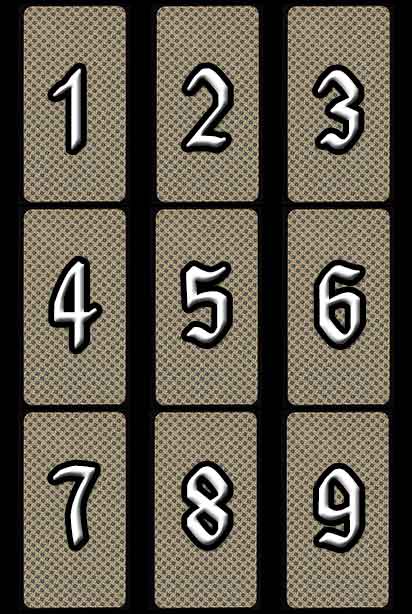
The Comic Strip Spread is a simple nine-card chronological spread that looks like a page of a comic book. This method should be used to get a glimpse of the future as it would pan out naturally. It may be insightful to use this spread in coordination with biorhythms. The spread is easy to read as a storyboard, just like a comic strip.
The main subject is apparent in the first card, while the story plays out through the following tarot cards.
It is important to pay particular attention to the cards and the relationships with their neighbours. Notice which directions the cards are facing, and how they interact.
Your Comic Strip Reading
Queen of Coins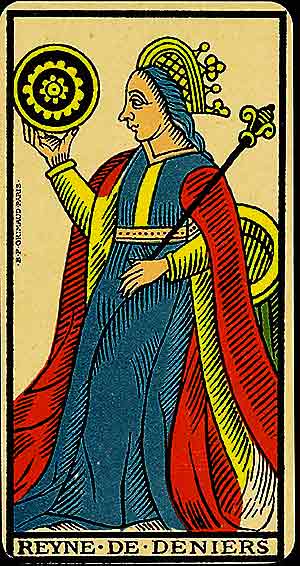 |
King of Cups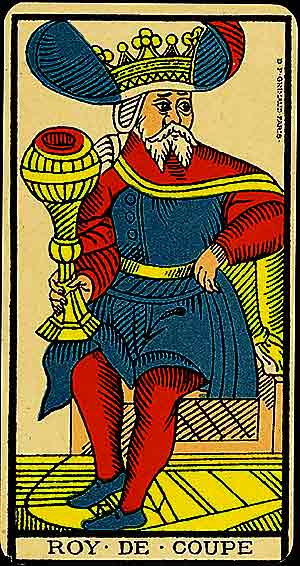 |
Three of Cups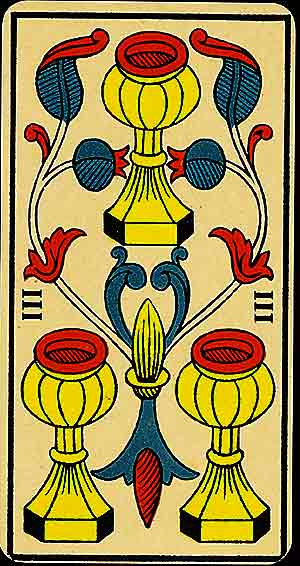 |
| The Fool (Le Mat) 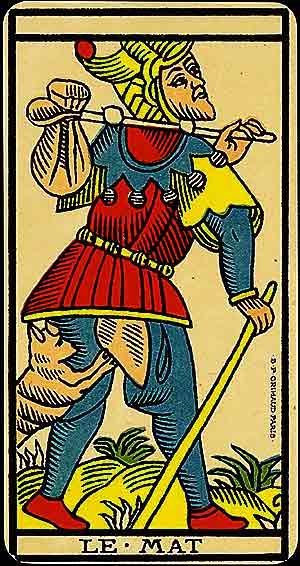 |
Ace of Cups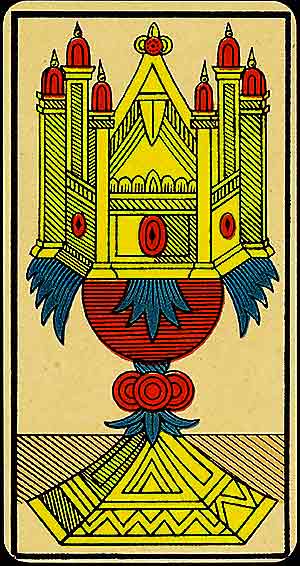 |
The Sun (Le Soleil) 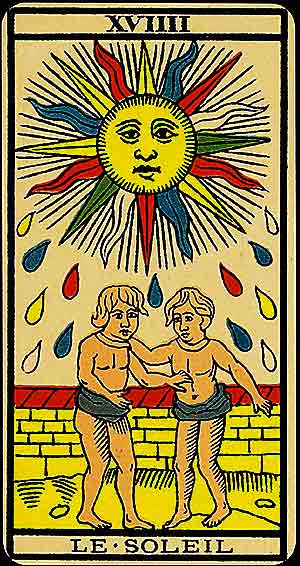 |
| The Empress (L'Impératri 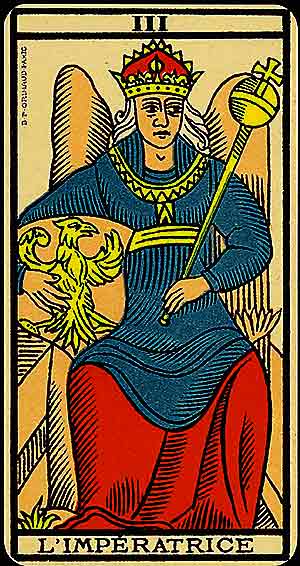 |
Nine of Batons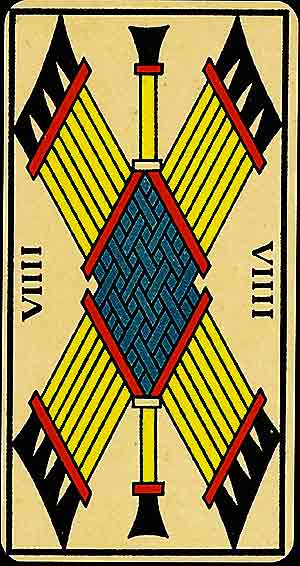 |
The Lovers (L'Amoureux) 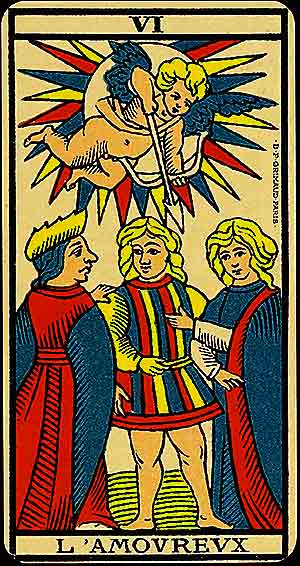 |
Card 1: Queen of Coins
Symbolism:
The Reyne of Coins is seated gracefully, holding up a coin. This card symbolises nurturing energy, material comfort, and the ability to create and maintain prosperity in practical and emotional realms.
Meaning:
The Queen of Coins symbolises abundance, nurturing, and practicality. She reflects the ability to balance material success with care for others, often in a domestic or family setting. This card speaks to the importance of creating a nurturing environment where both material and emotional needs are met.
In relationships, it signifies a partner who is caring, practical, and deeply grounded. Spiritually, it represents the abundance that flows from a nurturing, balanced life and the wisdom that comes from caring for one's surroundings.
Keywords:
Nurturing, abundance, practicality, balance, wealth, comfort, family, responsibility, grounded, care.
Card 2: King of Cups
Symbolism:
The Roy of Cups is seated on a throne, holding a cup with a calm and composed demeanour, surrounded by subtle water motifs that evoke emotional balance. This card represents emotional leadership, wisdom, and the ability to guide others with kindness and understanding.
Meaning:
The King of Cups signifies emotional balance, maturity, and leadership. He represents someone who leads with compassion, wisdom, and understanding, maintaining calm even in turbulent times. This card encourages you to take control of your emotions and use them to guide yourself and others.
In relationships, it reflects a stable and loving partner or dynamic. Spiritually, it emphasises the harmony between intellect and emotions.
Keywords:
Emotional balance, leadership, wisdom, compassion, stability, maturity, understanding, guidance, calm, harmony.
Card 3: Three of Cups
Symbolism:
Three cups are arranged in a triangular pattern, adorned with flowers or vines to evoke celebration and abundance. The image suggests themes of friendship, shared joy, and communal achievements.
Meaning:
The Three of Cups represents celebration, community, and shared joy. It suggests coming together with others to honour achievements or simply enjoy the present moment. This card encourages connection, gratitude, and the recognition of shared blessings.
In relationships, it reflects harmony and support within friendships or groups. Spiritually, it emphasises the importance of shared rituals and collective growth.
Keywords:
Celebration, community, joy, friendship, gratitude, support, connection, abundance, festivity, shared blessings.
Card 4: The Fool
(Le Mat)
Symbolism:
A carefree figure, often carrying a small bag or bundle, walks toward the unknown with a dog nipping at their heels, symbolising the risks of new beginnings. Their gaze is upward, indicating innocence and trust, while their attire features bright, mismatched colours, emphasising their unconventional nature.
Meaning:
The Fool represents new beginnings, spontaneity, and the embrace of life's uncertainties. This card encourages stepping into the unknown with optimism and trust, even if the path ahead seems uncertain or risky. It speaks to freedom, potential, and the ability to approach life with a beginner's mind.
In relationships, the Fool may suggest a fresh start or a need for openness and vulnerability. Spiritually, it represents a journey of self-discovery and the willingness to trust the universe.
Keywords:
New beginnings, spontaneity, innocence, freedom, potential, adventure, risk, trust, exploration, unconventionality.
Card 5: Ace of Cups
Symbolism:
A single, ornate cup stands at the centre, often crowned with a flowing fountain or delicate embellishments, symbolising abundance and divine inspiration. The card radiates themes of emotional renewal, spiritual connection, and the beginning of fulfilling relationships.
Meaning:
The Ace of Cups represents emotional abundance, new beginnings in relationships, and the outpouring of love and compassion. It signals the birth of deep emotional connections, healing, and a time to open your heart to joy and creativity. This card encourages you to embrace vulnerability and allow emotions to flow freely.
In relationships, it signifies profound intimacy and love. Spiritually, it symbolises divine inspiration and the awakening of the soul to universal love.
Keywords:
Love, new beginnings, emotional abundance, compassion, intimacy, healing, joy, vulnerability, creativity, spiritual awakening.
Card 6: The Sun
(Le Soleil)
Symbolism:
The Sun shines brightly over two joyful children, symbolising innocence and vitality. A wall represents protection and growth. The radiant light of the sun signifies clarity, success, and the life force itself.
Meaning:
The Sun represents joy, success, and illumination. It heralds a period of clarity, achievement, and fulfilment. This card encourages positivity, optimism, and self-expression, reminding you to celebrate life's blessings.
In relationships, the Sun signifies warmth, harmony, and mutual happiness. Spiritually, it points to enlightenment and connection with divine light.
Keywords:
Joy, success, clarity, vitality, positivity, enlightenment, achievement, growth, warmth, celebration.
Card 7: The Empress
(L'Impératri
Symbolism:
The Empress sits on her throne, holding a scepter that signifies authority. A shield bearing the symbol of Venus is nearby, emphasising love, fertility, and creation. She is adorned in flowing robes, indicating abundance.
Meaning:
The Empress is the archetype of creation and abundance, representing fertility, nurturing, and growth in all aspects of life. She is a motherly figure who provides support and encouragement, guiding you to cultivate your ideas or relationships into something beautiful. Her presence suggests a time of prosperity and fulfilment.
In relationships, she signifies a loving, nurturing connection. Spiritually, she urges you to embrace the rhythms of nature and the divine feminine within you, celebrating life's creative energy.
Keywords:
Creation, abundance, fertility, nurturing, growth, love, prosperity, nature, creativity, fulfilment.
Card 8: Nine of Batons
Symbolism:
Nine batons are intricately arranged, with leaves flourishing despite their dense configuration, reflecting endurance and protection. The design suggests a moment of pause before completion, highlighting strength and resilience.
Meaning:
The Nine of Batons represents perseverance, resilience, and the ability to endure despite setbacks. It reflects a period of testing and the need to protect what you've built. This card encourages vigilance and inner strength, reminding you that the final stretch of a challenge often feels the most difficult.
In relationships, it suggests enduring hardships together or remaining cautious. Spiritually, it calls for faith in your ability to withstand trials.
Keywords:
Perseverance, resilience, endurance, defence, vigilance, struggle, inner strength, caution, determination, resolve.
Card 9: The Lovers
(L'Amoureux)
Symbolism:
The Lovers card depicts a man standing between two women, with Cupid above aiming an arrow. The scene suggests a choice or a union, with the women often representing opposing influences. In some interpretations, the figures are Adam and Eve, symbolising the duality of earthly and spiritual love.
Meaning:
The Lovers represent connection, harmony, and the power of choice. This card speaks to deep relationships, whether romantic or platonic, and the alignment of values and goals. However, it also highlights the necessity of making meaningful decisions, often at a crossroads where the heart and mind must collaborate.
In relationships, the Lovers symbolise love, commitment, and mutual respect. Spiritually, they encourage balancing the dualities within yourself and finding unity in diversity.
Keywords:
Love, harmony, connection, choice, duality, relationships, unity, attraction, alignment, crossroads.