 Tarotsmith
 Tarotsmith Shadow Alchemy
 Tarotsmith Horoscopes

The Three Pyramids Spread
Difficulty: Complicated
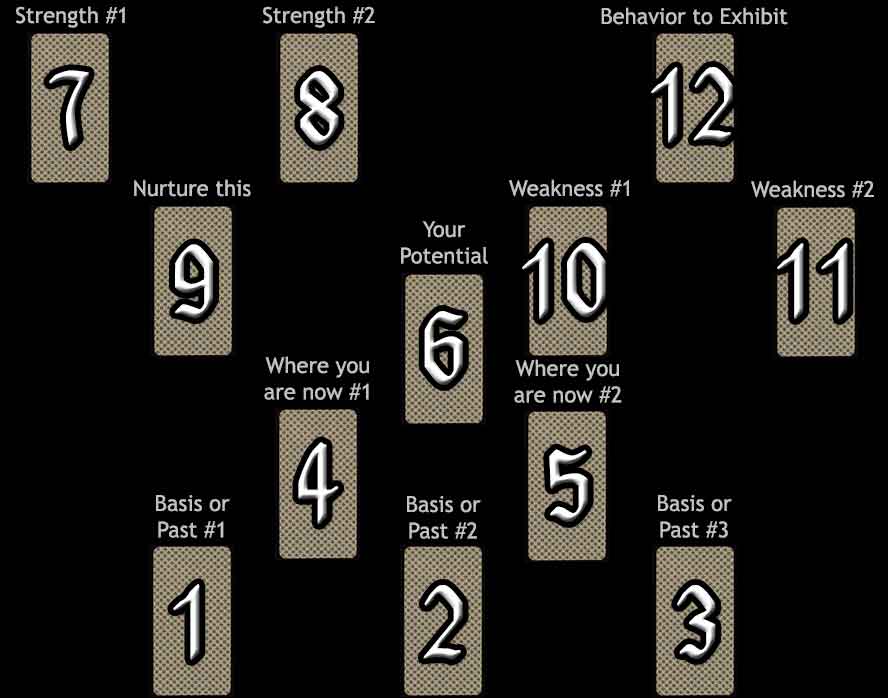
Basically, there is the main pyramid in the centre, and two smaller pyramids on each side. One is inverted.
Positions 1 & 3 represent where the reader comes from, or what has made them/shaped them on the various levels. Can be from environment, upbringing, schooling, etc. A look at the past, but with more objectivity than is usually given when using tarot cards.
Positions 4 & 5 represent who the reader is right now. May or may not make pleasant reading, but hey, this is what this is about, right?
Position 6 represents who the reader could be. Again, it might or might not look good, but a person can learn from that and change who they are accordingly. (This is a bit like how Scrooge did things in 'A Christmas Carol'.)
Positions 7 & 8 are the reader's strengths. This is the light they have, which can be bought to the forefront. What carries the person should not be hidden or unacknowledged.
Position 9 represents what should be given to oneself or created within.
Position 10 & 11 represent personal areas for development or weaknesses. Again, might not make good reading, but if someone looks at their strengths first, they will be able to see a balance is there and can choose to focus on one side or the other. This is where a person could really see how their shadow side comes into play.
Position 12 represents what the reader should be offering externally, or what they can bring to their world or to others who inhabit that world.
Your Three Pyramids Reading
Strength #1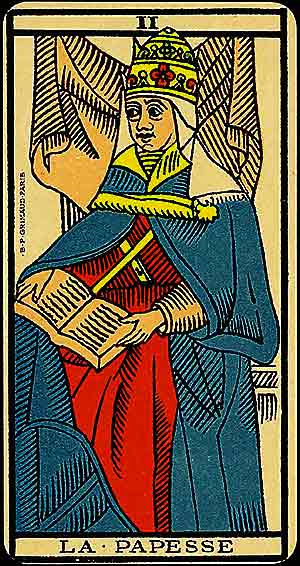 |
Strength #2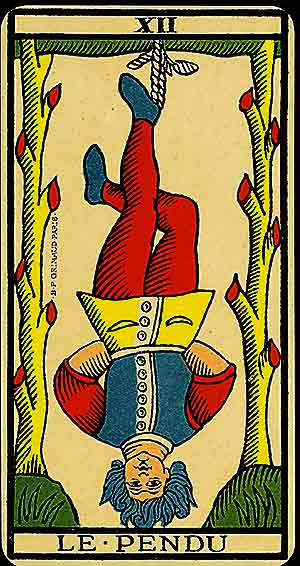 |
 |
Exhibit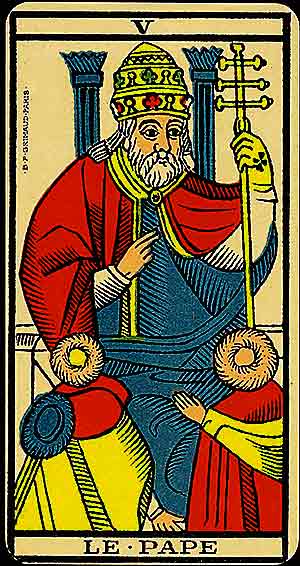 |
|||
Nurture This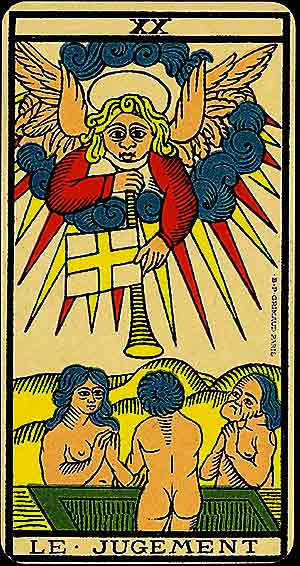 |
Potential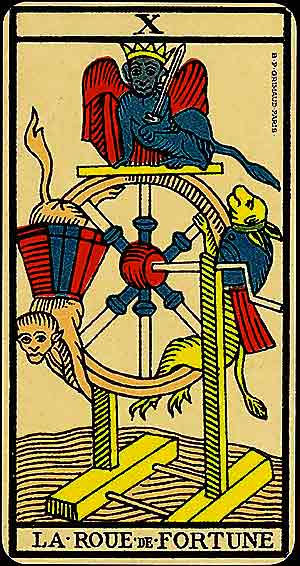 |
Infirmity #1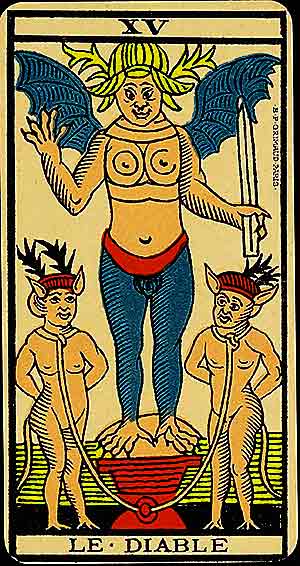 |
Infirmity #2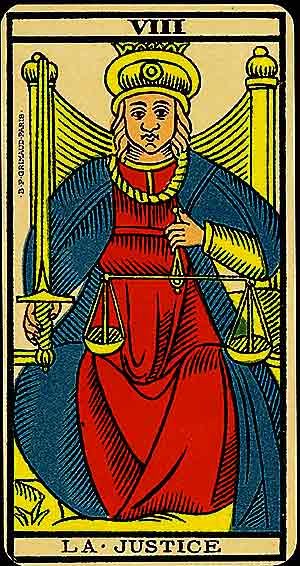 |
|||
Now #1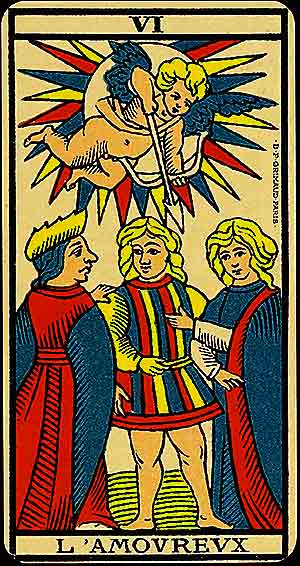 |
Now #2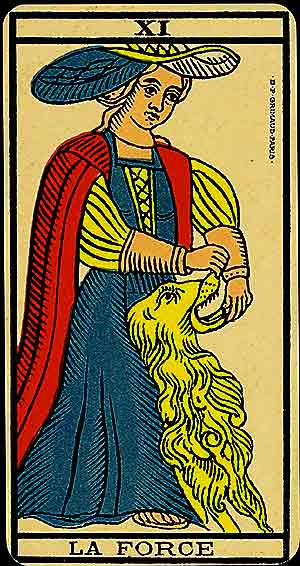 |
|||||
Base (past) #1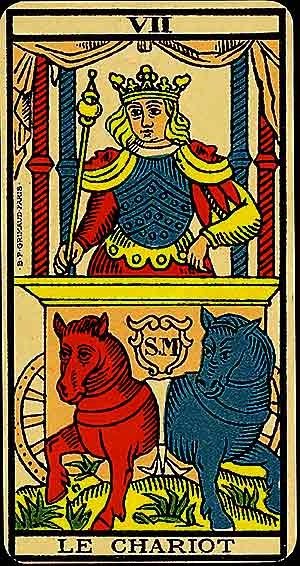 |
Base (past) #2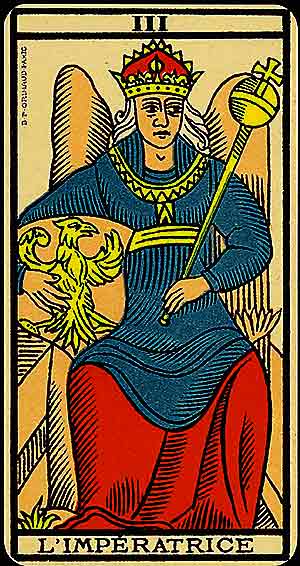 |
Base (past) #3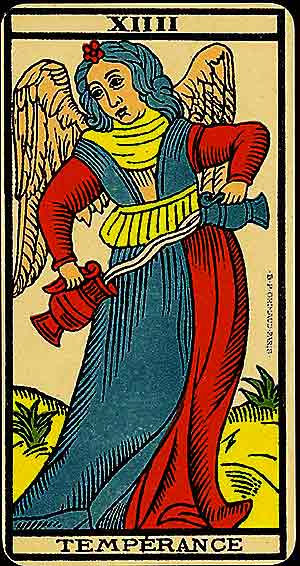 |
1: Base #1
(Le Chariot)
Symbolism:
The Chariot shows a warrior standing in a chariot pulled by two horses of contrasting colors, symbolising opposing forces. The warrior wears a crown and holds a wand or reins, signifying control and determination. The canopy above him suggests moving forward from a place of stability into the unknown.
Meaning:
The Chariot signifies triumph through determination, discipline, and focus. It speaks to mastering conflicting forces and steering your life toward success. This card often appears when you are on the brink of achieving a goal, but it reminds you that persistence and self-control are essential.
In relationships, the Chariot suggests navigating challenges together. Spiritually, it emphasises aligning your willpower with your higher purpose.
Keywords:
Triumph, determination, focus, control, discipline, victory, mastery, momentum, perseverance, alignment.
2: Base #2
(L'Impératri
Symbolism:
The Empress sits on her throne, holding a scepter that signifies authority. A shield bearing the symbol of Venus is nearby, emphasising love, fertility, and creation. She is adorned in flowing robes, indicating abundance.
Meaning:
The Empress is the archetype of creation and abundance, representing fertility, nurturing, and growth in all aspects of life. She is a motherly figure who provides support and encouragement, guiding you to cultivate your ideas or relationships into something beautiful. Her presence suggests a time of prosperity and fulfilment.
In relationships, she signifies a loving, nurturing connection. Spiritually, she urges you to embrace the rhythms of nature and the divine feminine within you, celebrating life's creative energy.
Keywords:
Creation, abundance, fertility, nurturing, growth, love, prosperity, nature, creativity, fulfilment.
3: Base #3
(Tempérance)
Symbolism:
An angelic figure pours water from one cup to another, symbolising balance and the harmonious blending of opposites. One leg is robed in blue, the other in red, reflecting equilibrium between the conscious and subconscious leading to spiritual enlightenment.
Meaning:
Temperance signifies balance, moderation, and the art of blending opposites to create harmony. It encourages patience, self-restraint, and the ability to adapt fluidly to life's changes. This card often appears when you are finding equilibrium in a challenging situation or working toward a greater sense of peace.
In relationships, it suggests compromise and mutual understanding. Spiritually, Temperance represents alignment with your higher self and a focus on unity and integration.
Keywords:
Balance, harmony, moderation, patience, adaptation, unity, self-restraint, healing, integration, peace.
4: Where you are now #1
(L'Amoureux)
Symbolism:
The Lovers card depicts a man standing between two women, with Cupid above aiming an arrow. The scene suggests a choice or a union, with the women often representing opposing influences. In some interpretations, the figures are Adam and Eve, symbolising the duality of earthly and spiritual love.
Meaning:
The Lovers represent connection, harmony, and the power of choice. This card speaks to deep relationships, whether romantic or platonic, and the alignment of values and goals. However, it also highlights the necessity of making meaningful decisions, often at a crossroads where the heart and mind must collaborate.
In relationships, the Lovers symbolise love, commitment, and mutual respect. Spiritually, they encourage balancing the dualities within yourself and finding unity in diversity.
Keywords:
Love, harmony, connection, choice, duality, relationships, unity, attraction, alignment, crossroads.
5: Where you are now #2
(La Force)
Symbolism:
A serene figure, often a woman, gently tames a lion by holding its jaws open. Her calm demeanour contrasts with the lion's ferocity, symbolising mastery of inner strength. Above her head, the infinity symbol signifies limitless power and spiritual resilience. The image evokes vitality and harmony with nature.
Meaning:
Strength represents courage, compassion, and the balance between force and gentleness. This card embodies inner fortitude, suggesting that true power comes from patience, understanding, and self-discipline rather than brute force. It often appears in situations requiring emotional resilience or the taming of one's impulses.
In relationships, it signifies the power of kindness and understanding. Spiritually, Strength encourages connecting with your inner courage and finding peace amidst challenges.
Keywords:
Inner strength, courage, patience, compassion, resilience, self-discipline, confidence, harmony, emotional balance, fortitude.
6: Your potential
(La Roue de Fo
Symbolism:
The Wheel of Fortune depicts a large wheel with figures ascending and descending its sides. It symbolises fate, luck, and the cycles of life. The turning motion suggests impermanence and change.
Meaning:
The Wheel of Fortune represents the ever-turning cycles of life, where fortune can rise or fall unexpectedly. This card signals change, opportunity, and the need to adapt. It reminds you to embrace the flow of events and trust in the greater pattern.
In relationships, it can indicate changes or new phases. Spiritually, it highlights the interconnectedness of life and the importance of surrendering to destiny's rhythms while remaining attuned to opportunities that arise.
Keywords:
Change, cycles, destiny, luck, opportunity, karma, adaptability, transition, impermanence, evolution.
7: Strength #1
(La Papesse)
Symbolism:
The High Priestess is shown seated, holding an open book, signifying hidden knowledge and mysteries. She is flanked by two pillars (sometimes black and white), representing duality and balance. Her veil hints at the separation between the conscious and subconscious. Her serene expression reflects her mastery of the inner world and her connection to divine intuition.
Meaning:
The High Priestess embodies mystery, wisdom, and the power of intuition. She encourages stillness and reflection, guiding you to trust your inner voice over external noise. This card often appears when something hidden needs to be uncovered, whether it's a secret, a truth, or a deeper understanding of oneself.
In relationships, the High Priestess may suggest emotional depth or hidden dynamics. Spiritually, she symbolises the gateway to higher knowledge, urging you to explore the realms of dreams and symbols to uncover your truth.
Keywords:
Intuition, mystery, inner wisdom, reflection, subconscious, hidden knowledge, spirituality, patience, introspection, stillness.
8: Strength #2
(Le Pendu)
Symbolism:
The Hanged Man is shown suspended upside-down by one foot from a live tree, with his free leg bent to form a cross-like shape. His serene expression suggests surrender rather than distress. This represents enlightenment gained through sacrifice or altered perspective. The tree may symbolise the axis mundi, a bridge between worlds.
Meaning:
The Hanged Man symbolises surrender, letting go, and viewing situations from a different perspective. It suggests a pause or suspension of action, encouraging reflection and patience. This card often appears when you need to relinquish control or embrace sacrifice to gain deeper understanding.
In relationships, it can signal a need for a fresh outlook or willingness to adapt. Spiritually, it points to awakening through non-resistance and the acceptance of higher truths.
Keywords:
Surrender, perspective, patience, sacrifice, reflection, letting go, enlightenment, suspension, adaptation, non-resistance.
9: Nurture this
(Le Jugement)
Symbolism:
An angel blows a trumpet as figures rise from coffins below, symbolising resurrection and awakening. The praying hands of the figures reflect surrender and acceptance. The bright light of the angel signifies divine calling and revelation, while the mountains in the background represent challenges overcome.
Meaning:
Judgement represents awakening, self-assessment, and rebirth. It signals a time to evaluate your past and make amends, preparing for a new chapter. This card often appears when you are called to align with your higher purpose and embrace transformation.
In relationships, it suggests healing, forgiveness, or a new beginning. Spiritually, it encourages connection with your true calling.
Keywords:
Awakening, transformation, rebirth, judgement, self-assessment, forgiveness, redemption, clarity, divine calling, renewal.
10: Weakness #1
(Le Diable)
Symbolism:
The Devil is portrayed as a horned figure with two chained human figures below, representing bondage to materialism or desires. The chains are loose, suggesting self-imposed limitations. Their animalistic features symbolise the materialism and polarity of nature.
Meaning:
The Devil represents temptation, materialism, and the shadow side of human nature. It highlights unhealthy attachments, addictions, or fears that may be holding you back. This card calls for awareness and the courage to break free from self-imposed limitations.
In relationships, it warns of codependency or power imbalances. Spiritually, the Devil challenges you to confront and integrate your shadow self.
Keywords:
Temptation, bondage, materialism, addiction, fear, control, power, shadow self, self-awareness, liberation.
11: Weakness #2
(La Justice)
Symbolism:
Justice sits on a throne, holding a sword in one hand and scales in the other. The sword represents truth and decisiveness, while the scales signify balance and fairness. Her gaze is direct, indicating clarity and impartiality. The symmetrical composition of the card underscores equilibrium and order.
Meaning:
Justice represents truth, fairness, and the consequences of one's actions. It urges you to act with integrity and to weigh all factors before making decisions. This card often appears when a decision needs to be made or when karma is at play, reminding you that actions have lasting repercussions.
In relationships, Justice emphasises honesty and mutual respect. Spiritually, it calls for alignment between your actions and higher principles.
Keywords:
Truth, fairness, balance, integrity, accountability, karma, decisions, clarity, consequences, order.
12: Behavior to exhibit
(Le Pape)
Symbolism:
The Hierophant sits between two pillars, with his hand raised in blessing and two followers kneeling before him. He holds a triple cross sceptre, symbolising his spiritual authority. The keys at his feet represent access to higher wisdom and the mysteries of life. His robe and crown emphasise tradition and institutional power.
Meaning:
The Hierophant symbolises tradition, guidance, and spiritual learning. He represents the wisdom passed down through teachings, rituals, and institutions. This card may indicate seeking guidance from a mentor, joining a community, or adhering to established norms. It also encourages you to examine your beliefs and values to ensure they align with your inner truth.
In relationships, the Hierophant suggests shared values and a strong moral foundation. Spiritually, he urges you to connect with divine teachings and the collective wisdom of humanity.
Keywords:
Tradition, guidance, spiritual learning, mentorship, wisdom, community, rituals, institutions, moral alignment, shared values.