 Tarotsmith
 Tarotsmith Shadow Alchemy
 Tarotsmith Horoscopes


Horse Shoe Spread
Difficulty: Easy
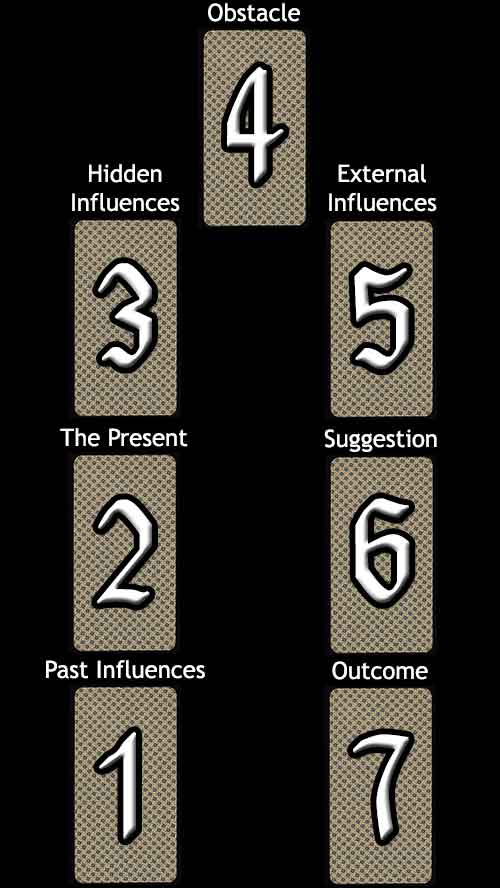
The Horse Shoe is a classic tarot spread. It is more advanced than the three-card reading, yet simpler than most other spreads. It is a versatile method that can be used for most queries, though there are other spreads which would go into more depth. Like the simple Past, Present, and Future spread, it contains these cards in positions #1, #2, and #7, but also has four other tarot cards that help the reader understand how to deal with the future better. The cards are to be read as follows:
- The Past: Past events affecting the question.
- The Present: The current state or approaching influence.
- Hidden Influences: Things the reader may not be aware of (or barely be aware of).
- Obstacles: This is the challenge: obstacles may be avoided or may have to be dealt with.
- External Influences: Attitudes and thoughts regarding people around the reader.
- Suggestions: Recommended course of action.
- Outcome: The result of following the suggestions.
Your Horse Shoe Reading
Obstacle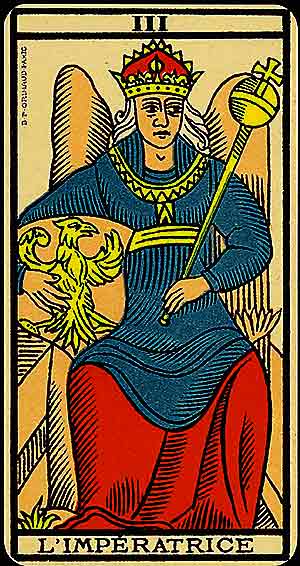 The Empress (L'Impératri |
||
Hidden Influences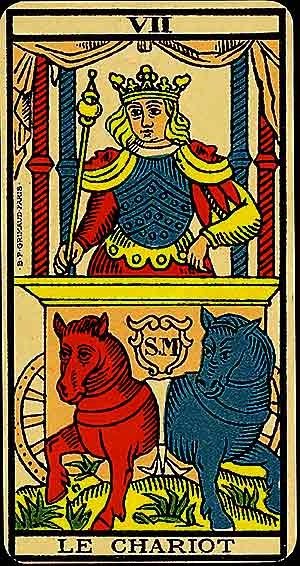 The Chariot (Le Chariot) |
External Influences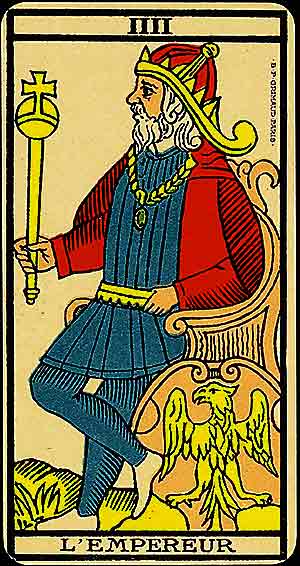 The Emperor (L'Empereur) |
|
The Present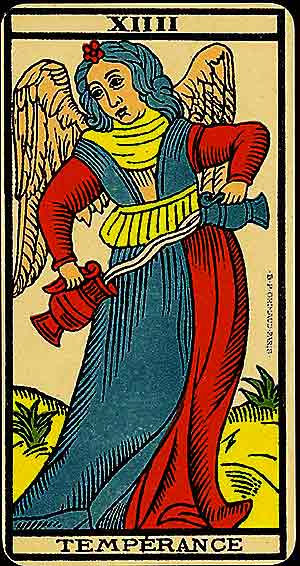 Temperance (Tempérance) |
Suggestion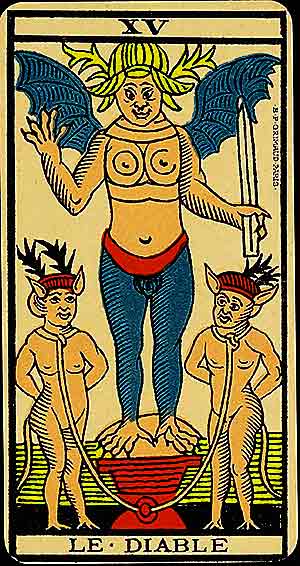 The Devil (Le Diable) |
|
The Past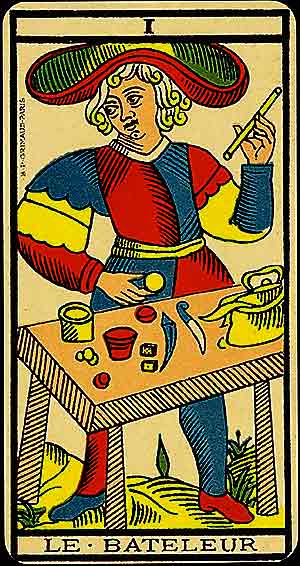 The Magician (Le Bateleur) |
The Outcome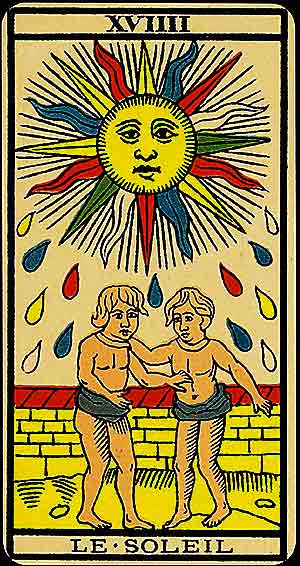 The Sun (Le Soleil) |
The Past Card represents past events that are affecting the question.
The Magician
(Le Bateleur)
Symbolism:
The Magician is a youthful figure standing behind a table, holding a wand aloft while other tools lie before him—often a coin, a cup, and a sword. These tools represent mastery over the elements and the power to manifest intentions. His hat, shaped like a lemniscate, symbolises infinite potential, and his posture suggests readiness and action. The vibrant colours of his attire evoke creativity, energy, and a zest for life.
Meaning:
The Magician represents the power of initiative, skill, and resourcefulness. He embodies the ability to turn ideas into reality, combining intellect, action, and willpower. The card often signals the beginning of a new venture or opportunity, where focus and confidence are key. However, it also serves as a warning to avoid manipulation or overconfidence.
The Magician invites you to be aware of your tools and talents, urging you to act with intention. It also reminds you that success depends on your ability to harmonise thought and action.
Keywords:
Initiative, manifestation, skill, potential, confidence, willpower, beginnings, resourcefulness, action, focus.
The Present Card represents the current state or immediately approaching influence.
Temperance
(Tempérance)
Symbolism:
An angelic figure pours water from one cup to another, symbolising balance and the harmonious blending of opposites. One leg is robed in blue, the other in red, reflecting equilibrium between the conscious and subconscious leading to spiritual enlightenment.
Meaning:
Temperance signifies balance, moderation, and the art of blending opposites to create harmony. It encourages patience, self-restraint, and the ability to adapt fluidly to life's changes. This card often appears when you are finding equilibrium in a challenging situation or working toward a greater sense of peace.
In relationships, it suggests compromise and mutual understanding. Spiritually, Temperance represents alignment with your higher self and a focus on unity and integration.
Keywords:
Balance, harmony, moderation, patience, adaptation, unity, self-restraint, healing, integration, peace.
Hidden Influences - Things that you may not be aware of, or barely be aware of.
The Chariot
(Le Chariot)
Symbolism:
The Chariot shows a warrior standing in a chariot pulled by two horses of contrasting colors, symbolising opposing forces. The warrior wears a crown and holds a wand or reins, signifying control and determination. The canopy above him suggests moving forward from a place of stability into the unknown.
Meaning:
The Chariot signifies triumph through determination, discipline, and focus. It speaks to mastering conflicting forces and steering your life toward success. This card often appears when you are on the brink of achieving a goal, but it reminds you that persistence and self-control are essential.
In relationships, the Chariot suggests navigating challenges together. Spiritually, it emphasises aligning your willpower with your higher purpose.
Keywords:
Triumph, determination, focus, control, discipline, victory, mastery, momentum, perseverance, alignment.
Obstacle - This is the challenge.
The Empress
(L'Impératri
Symbolism:
The Empress sits on her throne, holding a scepter that signifies authority. A shield bearing the symbol of Venus is nearby, emphasising love, fertility, and creation. She is adorned in flowing robes, indicating abundance.
Meaning:
The Empress is the archetype of creation and abundance, representing fertility, nurturing, and growth in all aspects of life. She is a motherly figure who provides support and encouragement, guiding you to cultivate your ideas or relationships into something beautiful. Her presence suggests a time of prosperity and fulfilment.
In relationships, she signifies a loving, nurturing connection. Spiritually, she urges you to embrace the rhythms of nature and the divine feminine within you, celebrating life's creative energy.
Keywords:
Creation, abundance, fertility, nurturing, growth, love, prosperity, nature, creativity, fulfilment.
External Influences - Attitudes about this situation from people around the querent.
The Emperor
(L'Empereur)
Symbolism:
The Emperor sits firmly on a throne adorned with symbols of strength and authority. His scepter and orb signify dominion over the material world, while his armour beneath the robes suggests readiness to defend his position. The rocky landscape at his feet symbolises stability and enduring power.
Meaning:
The Emperor represents structure, discipline, and the establishment of order. He embodies the qualities of leadership and protection, encouraging you to take charge of your circumstances with clarity and determination. This card often points to the need for planning, responsibility, and stability.
In relationships, the Emperor stresses respect, loyalty, and shared goals. Spiritually, he reminds you that boundaries and structure are essential for growth.
Keywords:
Authority, structure, discipline, stability, leadership, protection, responsibility, planning, boundaries, foundation.
Suggestion - The recommended course of action.
The Devil
(Le Diable)
Symbolism:
The Devil is portrayed as a horned figure with two chained human figures below, representing bondage to materialism or desires. The chains are loose, suggesting self-imposed limitations. Their animalistic features symbolise the materialism and polarity of nature.
Meaning:
The Devil represents temptation, materialism, and the shadow side of human nature. It highlights unhealthy attachments, addictions, or fears that may be holding you back. This card calls for awareness and the courage to break free from self-imposed limitations.
In relationships, it warns of codependency or power imbalances. Spiritually, the Devil challenges you to confront and integrate your shadow self.
Keywords:
Temptation, bondage, materialism, addiction, fear, control, power, shadow self, self-awareness, liberation.
The Outcome - What will happen if the suggestion is followed.
The Sun
(Le Soleil)
Symbolism:
The Sun shines brightly over two joyful children, symbolising innocence and vitality. A wall represents protection and growth. The radiant light of the sun signifies clarity, success, and the life force itself.
Meaning:
The Sun represents joy, success, and illumination. It heralds a period of clarity, achievement, and fulfilment. This card encourages positivity, optimism, and self-expression, reminding you to celebrate life's blessings.
In relationships, the Sun signifies warmth, harmony, and mutual happiness. Spiritually, it points to enlightenment and connection with divine light.
Keywords:
Joy, success, clarity, vitality, positivity, enlightenment, achievement, growth, warmth, celebration.