 Tarotsmith
 Tarotsmith Shadow Alchemy
 Tarotsmith Horoscopes


Blind Spot Spread
Difficulty: Varies
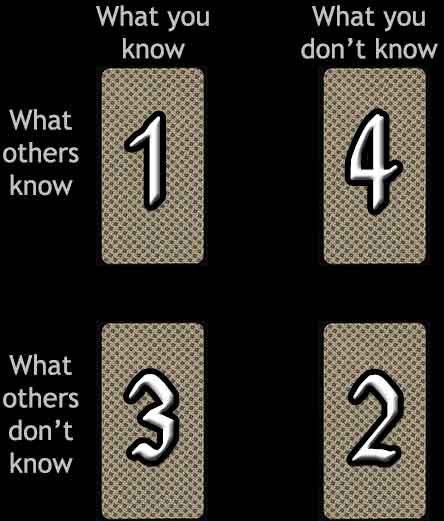
This tarot spread is used to enhance self-awareness. Questions about learning something about oneself or things that are hidden work very well with this tarot spread, although no question is necessary.
- This tarot card displays the obvious identity, the part of oneself that is consciously known and projected to others.
- This card indicates unconscious driving forces that neither the reader nor others are aware of about them, the great unknown. Nobody knows what this tarot card means, at least not yet...
- The part of oneself that is concealed, to keep others from discovering, is apparent in this card.
- This is the Blind Spot. This is what was asked about, that which this reading should bring awareness of. The reader may wish to pay close attention to these mannerisms.
Your Blind Spot Reading
| What you know | What you don't know | |
| What others know | 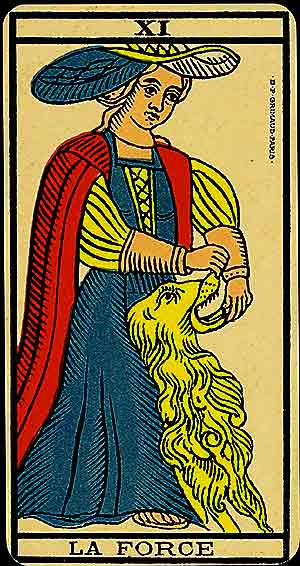 Strength (La Force) |
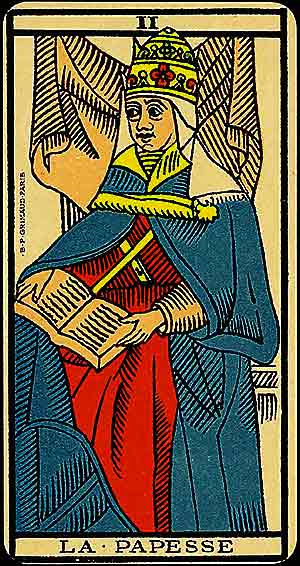 The High Priestess (La Papesse) |
| What others don't know | 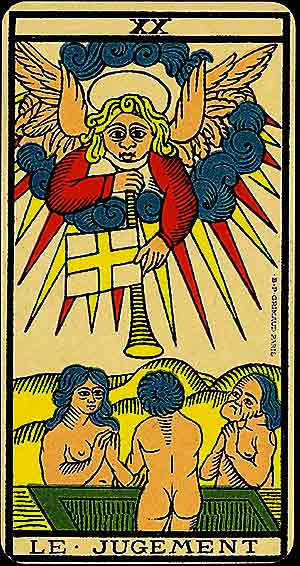 Judgement (Le Jugement) |
 The Hermit (L'Hermite) |
This card displays your obvious identity, the part of you that everyone knows.
Strength
(La Force)
Symbolism:
A serene figure, often a woman, gently tames a lion by holding its jaws open. Her calm demeanour contrasts with the lion's ferocity, symbolising mastery of inner strength. Above her head, the infinity symbol signifies limitless power and spiritual resilience. The image evokes vitality and harmony with nature.
Meaning:
Strength represents courage, compassion, and the balance between force and gentleness. This card embodies inner fortitude, suggesting that true power comes from patience, understanding, and self-discipline rather than brute force. It often appears in situations requiring emotional resilience or the taming of one's impulses.
In relationships, it signifies the power of kindness and understanding. Spiritually, Strength encourages connecting with your inner courage and finding peace amidst challenges.
Keywords:
Inner strength, courage, patience, compassion, resilience, self-discipline, confidence, harmony, emotional balance, fortitude.
This card shows unconscious driving forces that neither you nor your company is aware of about you. This is the Great Unknown.
The Hermit
(L'Hermite)
Symbolism:
The Hermit is an elderly figure carrying a lantern and a staff. The lantern symbolises inner wisdom and guidance, while the staff represents support and stability. His cloak signifies introspection, reflecting the solitude of his journey.
Meaning:
The Hermit represents introspection, wisdom, and solitude. He invites you to step back from external distractions and seek answers within. This card often appears during periods of self-discovery, encouraging you to listen to your inner voice.
In relationships, the Hermit may indicate a need for personal space or reflection. Spiritually, it highlights the quest for enlightenment and the value of solitary contemplation.
Keywords:
Wisdom, introspection, solitude, guidance, reflection, self-discovery, enlightenment, patience, inner truth, retreat.
The secrets you keep from others are shown by this card.
Judgement
(Le Jugement)
Symbolism:
An angel blows a trumpet as figures rise from coffins below, symbolising resurrection and awakening. The praying hands of the figures reflect surrender and acceptance. The bright light of the angel signifies divine calling and revelation, while the mountains in the background represent challenges overcome.
Meaning:
Judgement represents awakening, self-assessment, and rebirth. It signals a time to evaluate your past and make amends, preparing for a new chapter. This card often appears when you are called to align with your higher purpose and embrace transformation.
In relationships, it suggests healing, forgiveness, or a new beginning. Spiritually, it encourages connection with your true calling.
Keywords:
Awakening, transformation, rebirth, judgement, self-assessment, forgiveness, redemption, clarity, divine calling, renewal.
This is your Blind Spot. This is what you asked about – what you wished to be made aware of by this reading.
The High Priestess
(La Papesse)
Symbolism:
The High Priestess is shown seated, holding an open book, signifying hidden knowledge and mysteries. She is flanked by two pillars (sometimes black and white), representing duality and balance. Her veil hints at the separation between the conscious and subconscious. Her serene expression reflects her mastery of the inner world and her connection to divine intuition.
Meaning:
The High Priestess embodies mystery, wisdom, and the power of intuition. She encourages stillness and reflection, guiding you to trust your inner voice over external noise. This card often appears when something hidden needs to be uncovered, whether it's a secret, a truth, or a deeper understanding of oneself.
In relationships, the High Priestess may suggest emotional depth or hidden dynamics. Spiritually, she symbolises the gateway to higher knowledge, urging you to explore the realms of dreams and symbols to uncover your truth.
Keywords:
Intuition, mystery, inner wisdom, reflection, subconscious, hidden knowledge, spirituality, patience, introspection, stillness.