 Tarotsmith
 Tarotsmith Shadow Alchemy
 Tarotsmith Horoscopes

Horse Shoe Spread
Difficulty: Easy
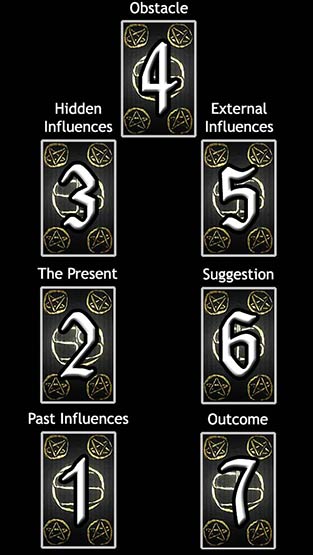
The Horse Shoe is a classic tarot spread. It is more advanced than the three-card reading, yet simpler than most other spreads. It is a versatile method that can be used for most queries, though there are other spreads which would go into more depth. Like the simple Past, Present, and Future spread, it contains these cards in positions #1, #2, and #7, but also has four other tarot cards that help the reader understand how to deal with the future better. The cards are to be read as follows:
- The Past: Past events affecting the question.
- The Present: The current state or approaching influence.
- Hidden Influences: Things the reader may not be aware of (or barely be aware of).
- Obstacles: This is the challenge: obstacles may be avoided or may have to be dealt with.
- External Influences: Attitudes and thoughts regarding people around the reader.
- Suggestions: Recommended course of action.
- Outcome: The result of following the suggestions.
Your Horse Shoe Reading
Obstacle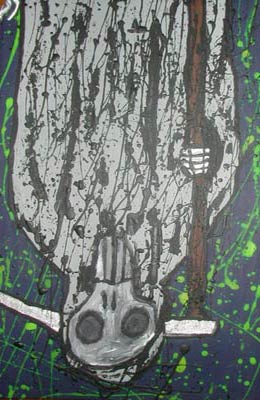 XIII. Death |
||
Hidden Influences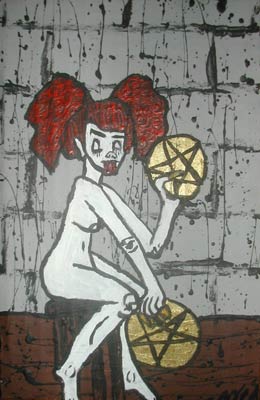 Two of Pentagrams |
External Influences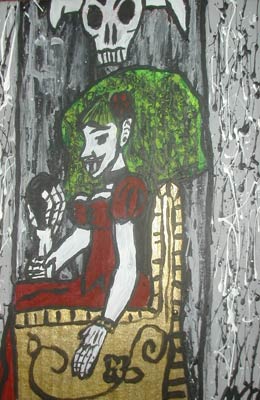 III. The Empress |
|
The Present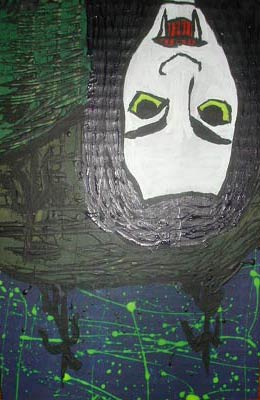 Queen of Stakes |
Suggestion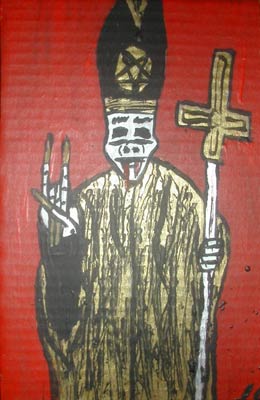 V. The Hierophant |
|
The Past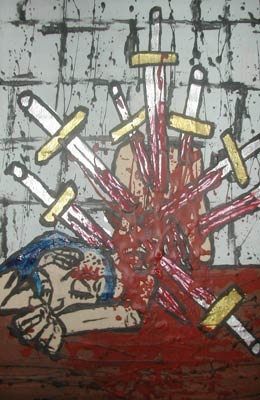 Eight of Swords |
The Outcome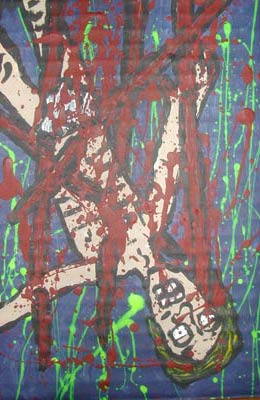 Five of Stakes |
The Past Card represents past events that are affecting the question.
Eight of Swords
Symbolism:
A young woman lies motionless, stabbed from both the front and the back by swords. Unlike a self-inflicted fate, the wounds reveal a betrayal or attack from all sides, symbolizing entrapment and the powerlessness that stems from external forces.
Meaning:
The Eight of Swords signifies mental entrapment, limitation, and the feeling of being cornered. It highlights the power of negative thoughts or external pressures that leave you paralyzed. However, the card reminds you that escape is often possible if you change your mindset or perspective.
Keywords:
Upright: Restriction, entrapment, fear, helplessness, crisis, mental conflict.
The Present Card represents the current state or immediately approaching influence.
Queen of Stakes
Reversed
Symbolism:
The Queen of Stakes stands proudly, her fangs bared in defiance. The impaled victims behind her serve as a stark reminder of her strength and resolve. She is both nurturing and fierce, embodying the duality of creation and destruction.
Meaning:
The Queen of Stakes symbolizes independence, confidence, and the ability to lead with compassion and strength. She encourages you to harness your inner power and remain true to yourself. This card often indicates success in business or personal endeavors.
Reversed, the Queen warns of jealousy, deceit, or opposition. It may also suggest a lack of self-confidence or struggles with balancing emotions.
Keywords:
Reversed: Jealousy, deceit, insecurity, opposition, imbalance.
Hidden Influences - Things that you may not be aware of, or barely be aware of.
Two of Pentagrams
Symbolism:
A young female vampire holds two pentagrams in her hands while seated in her dungeon. She appears to be balancing both objects, a representation of adaptability and change. The setting suggests a careful juggling of duties, with an eye on the future and a mind on the present.
Meaning:
The Two of Pentagrams is a card of adaptability, change, and managing multiple responsibilities. It suggests that you may be juggling different aspects of your life—finances, work, relationships—and must find balance to avoid becoming overwhelmed. It invites flexibility and encourages you to embrace change rather than resist it.
Keywords:
Upright: Balance, adaptability, change, flexibility, resourcefulness.
Obstacle - This is the challenge.
XIII. Death
Reversed
Symbolism:
Death is depicted as a cloaked, skeletal figure riding a dark horse with glowing red eyes. In one hand, it wields a scythe, its blade glinting in the moonlight, while the other hand scatters withered petals onto the barren ground. The landscape around them is bleak, with twisted trees and ruins, but in the distance, the faint glow of dawn promises renewal. At the figure's feet, flowers begin to bloom amid the decay.
Meaning:
Death symbolizes transformation, endings, and the promise of new beginnings. It encourages you to release what no longer serves you, making way for growth and renewal. This card often marks a significant transition or the closure of a chapter in life, reminding you that every ending carries the seed of a new beginning.
Reversed, Death warns of resistance to change, fear of endings, or stagnation. It may suggest clinging to the past or delaying the inevitable.
Keywords:
Reversed: Resistance, fear of change, stagnation, clinging to the past, avoidance, inertia.
External Influences - Attitudes about this situation from people around the querent.
III. The Empress
Symbolism:
The Empress sits upon her throne, her presence commanding yet nurturing. She holds the Hand of Glory, a macabre artifact symbolizing her power to claim whatever she desires. Her surroundings are lush and fertile, with dark roses blooming amidst the decay—symbols of beauty and abundance arising from even the grimmest conditions. Her expression is one of calm authority, radiating life-giving energy.
Meaning:
The Empress represents creation, fertility, and the nurturing aspects of life. She signifies abundance and the ability to bring ideas, projects, or relationships to fruition. This card invites you to connect with your creative or maternal instincts and embrace the cycles of growth and renewal. It may also point to emotional or physical abundance and a celebration of life's pleasures.
Keywords:
Upright: Fertility, abundance, creation, nurturing, beauty, growth, motherhood, diplomacy.
Suggestion - The recommended course of action.
V. The Hierophant
Symbolism:
The Hierophant stands in a candlelit crypt, robed in dark ceremonial attire. His face is obscured by a mask resembling a skull, emphasizing his role as a mediator between the living and the dead. In his hands, he holds an ancient grimoire, its pages glowing faintly as if infused with sacred knowledge. Behind him, shadowy figures bow in reverence, symbolizing tradition and the transfer of esoteric teachings.
Meaning:
The Hierophant represents tradition, spiritual guidance, and conformity to established systems of belief. He serves as a bridge between the divine and the mundane, reminding you to honor time-tested wisdom and moral values. This card often calls for introspection about your relationship with tradition and how it shapes your choices. It may also suggest seeking counsel or mentorship from someone with greater experience or spiritual authority.
Keywords:
Upright: Tradition, spiritual guidance, mentorship, morality, conformity, ritual, education.
The Outcome - What will happen if the suggestion is followed.
Five of Stakes
Reversed
Symbolism:
A man trapped in a pit, impaled by five stakes, fights against overwhelming odds. The struggle is real and relentless, representing competition, ambition, and the challenges faced in the pursuit of success. His tattered state hints at the toll such pursuits can take on one's spirit.
Meaning:
The Five of Stakes represents conflict, rivalry, and the test of one's determination. It reflects the spirited competition and the drive to rise above challenges. While the fight may be strenuous, it also forges resilience and sharpens your focus. This card encourages perseverance despite obstacles.
Reversed, the card warns of deceit, disputes, or challenges born from misunderstandings. It calls for honesty and clarity in your actions.
Keywords:
Reversed: Disputes, deception, confusion, hypocrisy.