 Tarotsmith
 Tarotsmith Shadow Alchemy
 Tarotsmith Horoscopes

Cross Spread
Difficulty: Easy
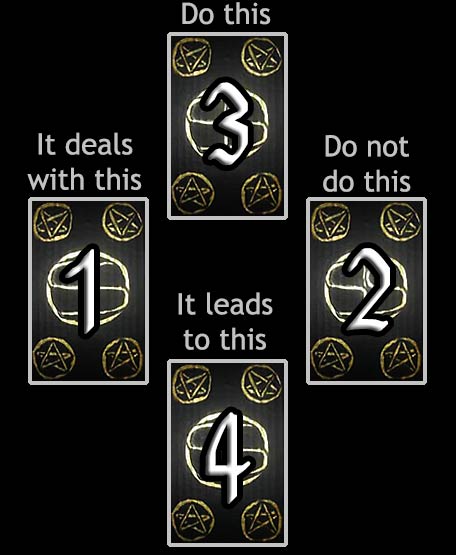
The Cross Spread is good for questions asking for advice. It can also be used to determine the meaning of a confusing card from a previous reading, or for that matter, to shed light on other points of confusion.
In questions asking advice, this tarot spread is self-explanatory. The main thing is to determine the difference between cards #2 and #3. #1 is the topic and #4 is the result.
In questions regarding confusion, such as: "What was the meaning of Card (X) in the last spread?" the main thing is also to determine the difference between cards #2 and #3. In this case, #2 will show what the card was not referring to, and Card #3 will show what was really meant. Card #1 is the topic and #4 represents the purpose it serves.
Your Cross Reading
DO This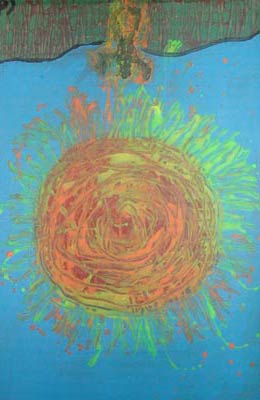 XIX. The Sun |
||
It Deals with This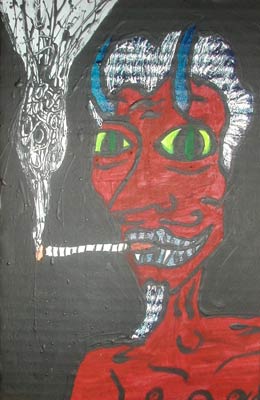 XV. The Devil |
Do NOT Do This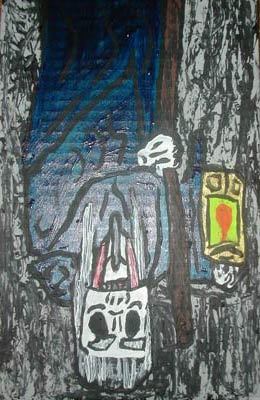 IX. The Hermit |
|
It Leads to This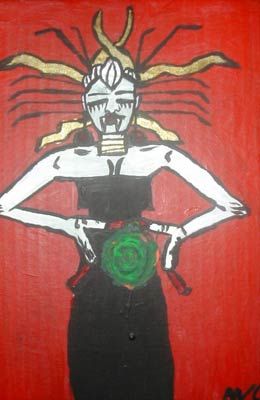 II. The Priestess |
It Deals with This
XV. The Devil
Symbolism:
The Devil is portrayed as a towering, horned figure shrouded in shadow, with glowing crimson eyes and skeletal bat wings. Chains dangle from its outstretched hands, tethered to two figures who appear entranced rather than distressed, symbolizing voluntary bondage. A fiery pit burns at its feet, while the moon above is obscured by dark clouds, representing ignorance and illusion. Behind the Devil, a cracked mirror reflects hidden desires and fears.
Meaning:
The Devil signifies temptation, materialism, and self-imposed limitations. It highlights the darker aspects of human nature, such as obsession, addiction, or unhealthy attachments. This card often serves as a wake-up call to recognize and confront these influences, reclaiming your power and freedom.
Keywords:
Upright: Temptation, bondage, addiction, materialism, obsession, illusion, control.
Do NOT Do This
IX. The Hermit
Reversed
Symbolism:
The Hermit is depicted as an ancient vampire cloaked in tattered robes, holding a lantern that emits an eerie, bluish glow. He stands atop a desolate mountain peak, surrounded by swirling mist. The lantern's light reveals faint traces of hidden paths, while his posture suggests quiet contemplation. The darkness around him symbolizes isolation, while the light represents the wisdom gained through introspection.
Meaning:
The Hermit signifies solitude, introspection, and the search for deeper truths. He encourages stepping back from external distractions to seek clarity and wisdom within. This card often appears when you need time alone to reflect on your journey or make decisions based on your inner guidance. It may also indicate the guidance of a mentor or wise figure.
Reversed, the Hermit warns against excessive isolation, withdrawal, or fear of confronting the truth. It may suggest a refusal to seek or accept guidance when it's needed.
Keywords:
Reversed: Isolation, loneliness, avoidance, overthinking, fear of change, denial.
DO This
XIX. The Sun
Reversed
Symbolism:
The Sun features a radiant figure standing atop a stone altar, their outstretched arms ablaze with golden light. Behind them, a massive blood-red sun dominates the sky, casting warm, revitalizing rays over a once-shadowed landscape. Sunflowers bloom vibrantly in the foreground, representing vitality and joy. A golden wolf stands beside the figure, symbolizing loyalty and enlightenment.
Meaning:
The Sun represents joy, success, and clarity. It heralds a period of positivity, growth, and accomplishment, reminding you to embrace life with enthusiasm and gratitude. This card suggests that challenges are behind you, and a brighter path lies ahead.
Reversed, the Sun may indicate temporary setbacks, self-doubt, or overconfidence. It suggests the need to find balance and reconnect with your inner light.
Keywords:
Reversed: Setbacks, doubt, overconfidence, lack of clarity, diminished enthusiasm.
It Leads to This
II. The Priestess
Symbolism:
The High Priestess holds a luminous sphere of power close to her womb, symbolizing the nurturing of secrets and inner knowledge. She is cloaked in flowing robes of dark and silvery hues, blending shadow and light to represent duality and balance. Behind her, the faint outline of a moonlit landscape hints at the cycles of nature and the mysteries of the subconscious. Her gaze is serene yet penetrating, as though she sees through to the core of truth.
Meaning:
The High Priestess signifies intuition, hidden wisdom, and the power of stillness. She encourages introspection and the pursuit of knowledge that lies beneath the surface. This card often appears when it is time to listen to your inner voice and trust the subtle cues of your environment. It may suggest secrets yet to be revealed or a need to delve deeper into your own emotions and spirituality.
Keywords:
Upright: Intuition, mystery, inner wisdom, reflection, subconscious, patience, hidden truths.